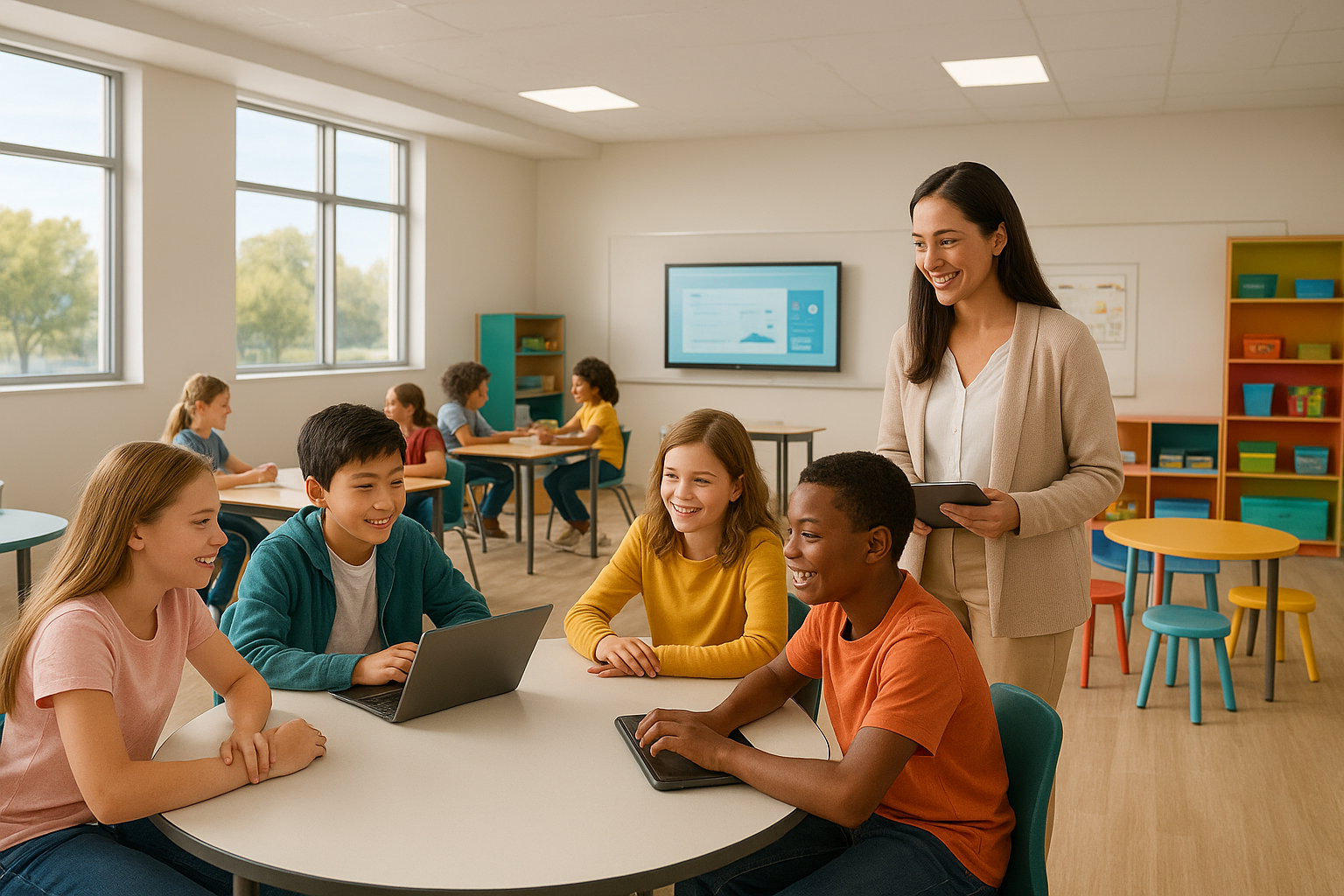
Classroom 30x is a powerful idea that shows how the modern classroom can change and grow. Right from the start, it helps students learn faster while also helping teachers teach with less stress. Because the world is moving quickly, classroom 30x gives schools a simple way to stay updated, learn better, and enjoy the learning experience.
Moreover, classroom 30x focuses on teamwork, smart tools, and fun learning spaces. With this method, classrooms look and feel more active. As a result, students stay curious and excited while learning. Even better, teachers can plan lessons that fit the needs of different learners.
What Is Classroom 30x?
Classroom 30x is a flexible learning model designed to make classrooms smarter, easier to manage, and more fun. It mixes both technology and traditional learning so students can learn in many different ways. Additionally, classroom 30x supports growth for all learners instead of only focusing on grades.
Furthermore, classroom 30x helps teachers create lessons that feel alive. Instead of long lectures, students get to move, talk, explore, and solve problems. Because of this, learning becomes more active and enjoyable. This approach also makes it simple to include every type of learner, whether they learn best by seeing, hearing, or doing.
Why Classroom 30x Matters Today
Classroom 30x matters because kids today learn differently than kids many years ago. They use devices, videos, and interactive tools every day. Therefore, the classroom must keep up so students don’t feel bored or lost. With classroom 30x, learning connects to the world students already know.
In addition, classroom 30x helps teachers teach more clearly and smoothly. Since lessons become easier to follow and more engaging, students stay focused for longer. As a result, teachers spend less time managing behavior and more time helping students grow.
Key Features of Classroom 30x
Classroom 30x includes several features that make it modern and effective. First, it supports collaborative spaces where students can work in groups. Second, it uses simple technology tools that help students learn visually and creatively. Because everything works together, the classroom feels balanced and friendly.
Another key feature is flexibility. With classroom 30x, desks, tools, and activities can change quickly. For example, a room can switch from quiet reading to group projects in just minutes. This flexibility allows students to learn in many different ways, which keeps learning fun and meaningful.
How Classroom 30x Supports Teachers
Classroom 30x gives teachers a clear plan that makes teaching easier. Since lessons can be organized into smaller parts, teachers can explain ideas step-by-step. This means students understand faster, and teachers spend less time repeating instructions.
Additionally, classroom 30x includes tools that help teachers track student progress. With simple digital apps or quick check-ins, teachers can see who needs help right away. This approach saves time while making sure every student gets the support they need.
How Classroom 30x Helps Students Learn Better
Classroom 30x helps students because it makes learning feel natural and exciting. Students can touch, move, discuss, and explore ideas instead of just listening. Because of this, learning feels like a journey instead of a task. When students feel more involved, they remember what they learn for a longer time.
Moreover, classroom 30x encourages teamwork. Students learn to share ideas, solve problems together, and help each other grow. These are important skills they will use for the rest of their lives. Since teamwork builds confidence, students feel braver when trying new things.
Tools Used in Classroom 30x
The tools in classroom 30x are simple yet effective. First, teachers may use tablets, projectors, or interactive boards to explain lessons clearly. These tools make learning more visual, which helps many students understand difficult ideas faster.
Second, classroom 30x uses hands-on tools such as blocks, writing boards, card sets, and science kits. These tools help students stay active during lessons. When students use their hands, their minds stay alert and curious. Because of this, they learn more with less effort.
Classroom 30x and Student Creativity
Classroom 30x supports creativity by allowing students to make choices. For example, students may pick the tools they want to use or the way they want to show what they learned. This freedom encourages students to think in unique ways. Additionally, creative tasks help students discover their interests and talents.
Furthermore, classroom 30x adds fun activities such as drawing, role-play, building models, and storytelling. These creative methods make learning feel new every day. As a result, students stay motivated and excited about school.
Classroom 30x Setup Ideas
Setting up a classroom 30x is easy and flexible. Teachers can arrange desks in groups so students can talk and work together. Because students face one another, they naturally begin sharing ideas and helping each other.
Next, teachers can create small stations around the room—such as a reading corner, tech station, art zone, or science table. These stations let students switch activities smoothly. Additionally, stations help teachers manage the class by keeping each part of the room active and organized.
Classroom 30x for Better Communication
Classroom 30x encourages clear communication between students and teachers. Since group work is common, students learn to talk, listen, and share ideas respectfully. These communication skills help them become better learners.
Likewise, classroom 30x gives teachers more time to talk individually with students. When teachers communicate clearly and kindly, students feel safe asking questions. As a result, classroom 30x creates a warm and supportive learning space.
The Future of Classroom 30x
The future of classroom 30x looks bright because learning continues to change. As new tools and ideas appear, classroom 30x will keep growing. This means students will get even more exciting ways to learn.
In the future, classroom 30x may include more virtual reality, interactive books, and creative digital games. Because learning will feel more real and fun, students may enjoy school more than ever before.
Final Thoughts on Classroom 30x
Classroom 30x is a simple yet powerful way to improve learning for everyone. With its mix of technology, creativity, and teamwork, it builds a classroom where students feel excited to learn. Because it works for all ages and learning styles, teachers can use it easily in almost any classroom.
All in all, classroom 30x helps students gain confidence, curiosity, and strong skills for the future. With this approach, the classroom becomes more than just a room—it becomes a community where everyone grows together.
You Might Also Read: Daskusza Exploration: A Simple and Complete Guide for Curious Minds
FAQs About Classroom 30x
What does “classroom 30x” mean?
Classroom 30x refers to a modern learning approach that mixes technology, teamwork, and flexible spaces. It helps teachers teach more easily while also helping students stay active and interested during lessons.
Why is classroom 30x important for students?
Classroom 30x is important because it keeps learning fun, simple, and engaging. Students get to use hands-on tools, work in groups, and explore lessons in different ways. As a result, they understand ideas faster and remember them longer.
How does classroom 30x help teachers?
Teachers benefit from classroom 30x because it makes planning and teaching more organized. With flexible seating, learning stations, and easy-to-use tech tools, teachers can guide students without feeling overwhelmed.
Do all classrooms need technology for classroom 30x?
No, technology is helpful but not required. Classroom 30x works with simple tools like activity cards, mini whiteboards, project kits, and group tables. Technology only enhances the experience but is not the main focus.
Can classroom 30x work in small or crowded classrooms?
Yes, classroom 30x works well in small spaces because it is flexible. Teachers can create small stations, use movable seating, or rotate groups so everyone gets a chance to learn in different ways.